
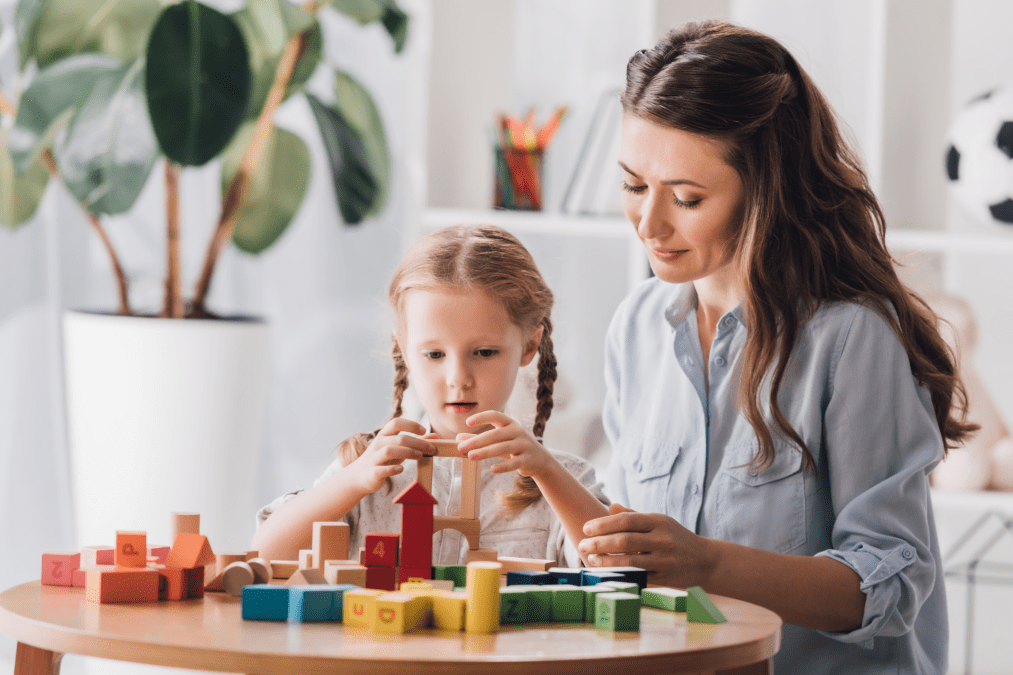
Social skills can open doors to connection, confidence, and community. For children with autism, building these skills takes thoughtful planning, patience, and the right kind of support. At The Autism Therapy Group (ATG), we use individualized strategies grounded in ABA therapy to help children develop social confidence — whether it’s saying “hi,” joining a game, or forming their first friendship.
Here’s how you can support your child’s social growth at home and how our therapists make this part of every care plan.
Why Social Skills Are Important for Children with Autism
Many children on the autism spectrum find social communication challenging. This might look like avoiding eye contact, struggling with back-and-forth conversations, or not knowing how to join a playgroup. But just like language or motor skills, social skills can be taught — especially with consistent, compassionate support.
Social skills help children:
- Build friendships
- Reduce frustration during group activities
- Learn turn-taking, empathy, and self-regulation
- Feel more confident in school and social settings

How ABA Therapy Supports Socialization
At ATG, our therapists use Applied Behavior Analysis (ABA) to break social skills into manageable steps. We create structured opportunities for interaction, both in-clinic and at home.
Techniques We Use:
- Modeling: Therapists or parents model appropriate behavior
- Role-playing: Practicing greetings, sharing, or conversation starters
- Social stories: Short narratives that prepare kids for real-world interactions
- Positive reinforcement: Celebrating progress with meaningful rewards
Each strategy is personalized based on the child’s age, interests, and current ability.

Social Skills at Home: What Parents Can Do
You are your child’s first and most important teacher. These small actions at home can make a big impact:
- Use visual supports
Try a picture chart showing steps to “start a conversation” or “ask to play.” Visuals reduce anxiety and make expectations clear. - Practice play at home
Create pretend scenarios with dolls, cars, or animals. Model how characters share, take turns, and talk to each other. - Talk through emotions
Use simple language to describe feelings: “You’re smiling. That means you’re happy!” This helps your child connect behavior with emotion. - Celebrate effort, not just success
If your child waves at another child for the first time — even if it’s brief — that’s a win. Acknowledge their courage!
Pairing Kids for Practice: The Power of Peer Play
Our therapists often practice social interaction with other children to help them learn from each other. Carefully selected peer play allows children to:
- Imitate appropriate behavior
- Practice conflict resolution in real time
- Learn new ways of connecting
This is one of the most effective ways to teach how to help an autistic child with friendships.
The ATG Approach: Compassion + Consistency
At ATG, every care plan includes social skill goals. Whether your child thrives in a home-based setting or in one of our centers, we ensure they receive opportunities to practice real-world social interactions with professional guidance.
We believe improving communication in autism starts with listening — to the child, the family, and the behavior patterns that shape daily life. From there, we build a roadmap to confidence and connection.
Want to learn more about our ABA programs?
Explore Therapy Services