
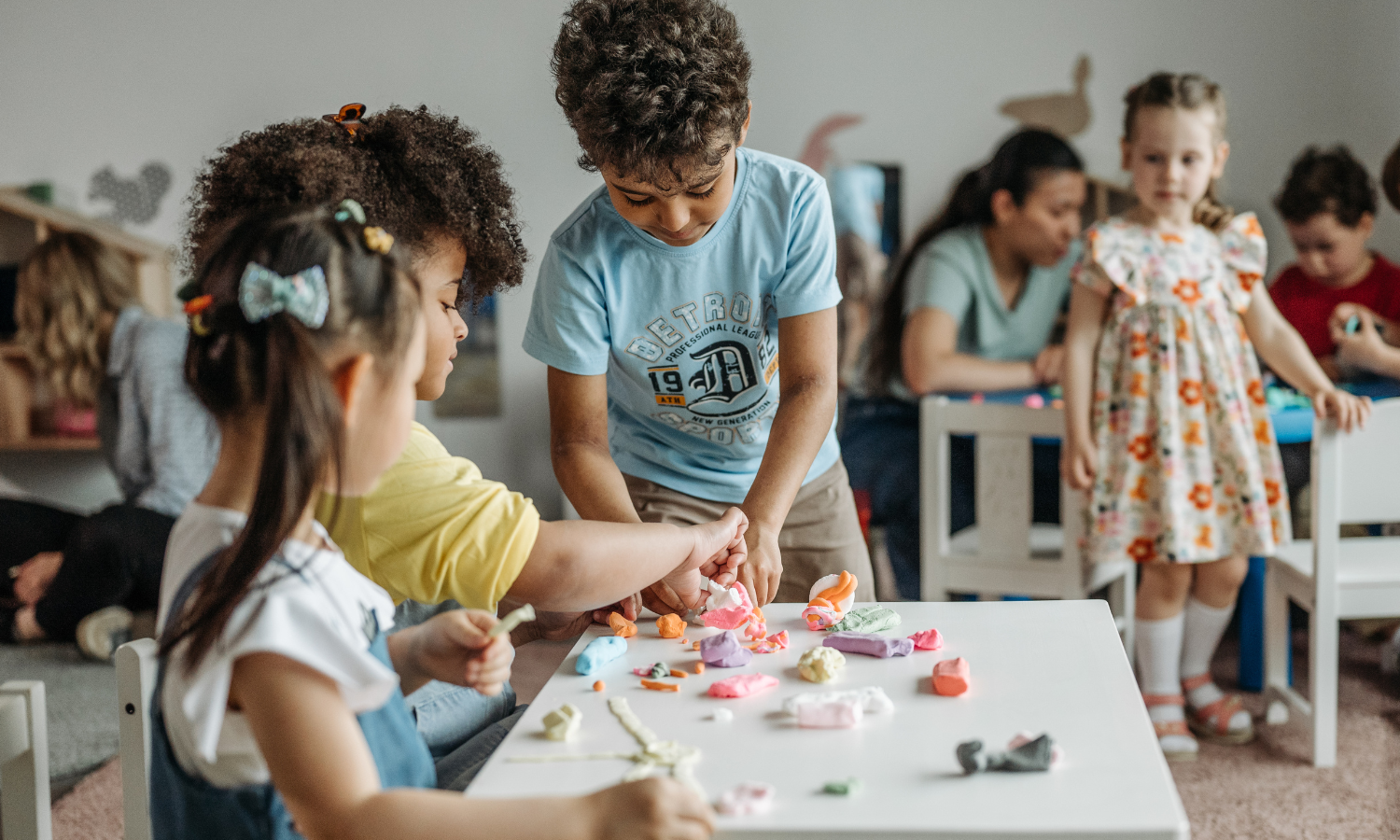
For many parents of children with autism, watching your child struggle to make friends or feel comfortable in social settings can be heartbreaking. You know your child is capable, bright, and unique — yet connecting with peers can feel like climbing a mountain without a map.
At The Autism Therapy Group (ATG), we believe peer interaction is not just “nice to have” — it’s a vital building block for independence, self-confidence, and lifelong well-being. Here’s why it matters, and how you can help your child grow socially in ways that work for them.
Why Social Development Matters for Independence
Social development is more than playdates and birthday parties. It’s learning to share ideas, express feelings, negotiate conflicts, and collaborate on everyday tasks.
For children with autism, these skills may not come naturally — but they can be learned, practiced, and mastered over time. When children build social connections, they:
- Gain confidence in navigating unfamiliar situations
- Learn self-advocacy skills
- Practice flexibility and problem-solving
- Develop empathy and perspective-taking
All of these are essential for independence — whether that’s making friends at school, joining a club, or eventually thriving in the workplace.
The Role of Peer Relationships in ABA Therapy
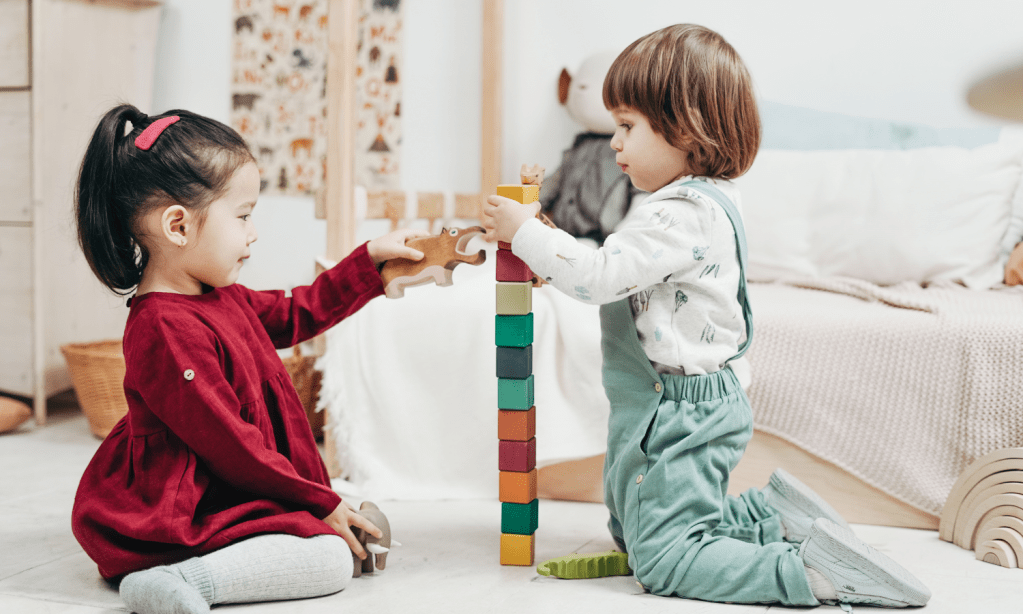
In ABA (Applied Behavior Analysis) therapy, peer interaction isn’t just an occasional activity — it’s woven into the learning process. Group sessions, play-based activities, and community outings give children a safe, supportive place to practice skills like:
- Turn-taking and sharing
- Reading nonverbal cues
- Starting and maintaining conversations
- Handling rejection or disagreement respectfully
By learning in a structured, supportive environment, children can take small, manageable steps toward more independent social engagement. The National Institute of Child Health and Human Development also notes that targeted social skills training can be an important part of autism intervention.
Practical Tips for Parents
If you’re looking to encourage healthy peer interaction at home and in your community, here are some ideas:
- Start Small
Begin with one-on-one playdates or short group activities with familiar children. This reduces the overwhelm and helps your child feel safe. - Use Shared Interests
If your child loves trains, art, or building blocks, find peers with similar passions. Common ground makes socializing easier and more rewarding. - Role-Play at Home
Practice greetings, conversation starters, and responses to common situations. Role-play can help your child feel more prepared and less anxious. - Celebrate Progress, Not Perfection
Every social interaction — even a short one — is a win. Recognize your child’s effort, not just the outcome. - Partner with Professionals
Your child’s ABA therapist can help identify social goals, suggest community programs, and provide ongoing strategies for success.

How ATG Supports Social Development
At ATG, our therapists are more than educators — they are connectors, coaches, and cheerleaders. Our Together Care Model ensures that therapy sessions include opportunities for children to interact with peers in structured, meaningful ways.
We also work closely with parents, offering guidance so you can support social growth outside the clinic. Whether it’s through small-group sessions, peer mentoring, or parent workshops, we’re here to help your child build the confidence and skills to connect with others.
A Final Word of Encouragement
If peer relationships have been a challenge for your child, remember this: social growth is a journey, not a race. With patience, encouragement, and the right support, your child can learn to connect, communicate, and collaborate — all essential steps toward independence.
At ATG, we’ve seen firsthand how children blossom when given the chance to build friendships in a safe, supportive environment. And nothing is more rewarding than watching a child step into the world with confidence, knowing they have the tools — and the friends — to walk alongside them.